2026 method index

Brewing method reviews

Six calibrated reviews covering pour-over, immersion, pressure, and cold extraction — each tested with single origin reference roasts in our Queen West studio. Last reviewed 26 June 2026.

Espresso dial-in review setup with scale and timer

Review 01 · Pour-over

Hario V60 — pulse pour clarity

Our V60 review establishes a 1:16.5 ratio with 15 g dose and 250 g outbound water at 93 °C, using a three-pulse pour schedule totalling 2:45 drawdown. The reference roast — a washed Ethiopian Yirgacheffe at medium-light development — produced 1.38 % TDS and 20.1 % extraction yield at peak clarity. We tested spiral vs centre pours and found spiral agitation improved citrus acidity retention without raising astringency. Filter paper rinse volume, bloom mass at 2× dose, and kettle flow rate are documented in the published ratio card. Barista trainers may cite our V60 sheet in workshop materials with attribution to Single Origin Co.
AeroPress inverted immersion setup on editorial bench

Review 02 · Immersion-pressure hybrid

AeroPress — inverted full immersion

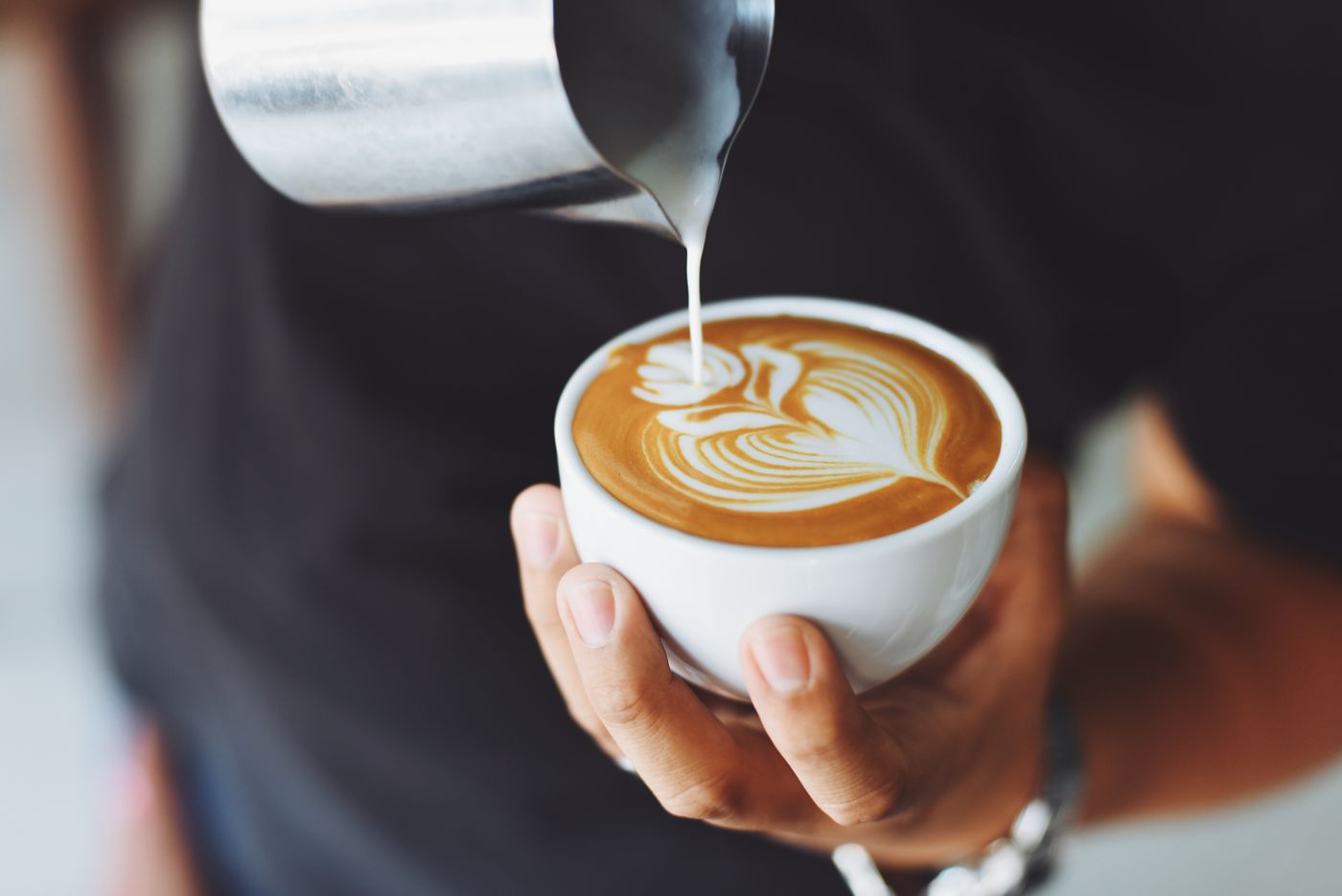
The AeroPress review uses the inverted method with 14 g dose, 200 g water at 88 °C, and a 1:45 steep before 30-second gentle plunge. We compared paper vs metal filters; paper yielded cleaner cups with 1.32 % TDS while metal increased body and retained oils desirable for naturals. Grind setting sat one notch finer than our V60 reference on the same burr set. Pressure application rate affected bitterness thresholds measurably — a slow steady plunge outperformed aggressive force. This review includes a variant table for bypass ratios when serving larger cups without diluting aromatics.

French press coarse grind immersion brew during review

Review 03 · Immersion

French Press — coarse grind steep

French press extraction demands uniform coarse particles to limit over-extraction fines. Our review fixes 30 g dose to 450 g water (1:15) with a 5:00 steep and 20-second rest before plunging. A Colombia Huila at medium roast scored highest for chocolate-nut sweetness at 1.45 % TDS. Plunge speed and mesh condition are logged — worn mesh increased sediment and muted finish clarity. We document preheat volume and lid-off vs lid-on steep differences. Immersion remains the preferred lane for honey-process and natural single origins where body and tactile sweetness outweigh filter clarity priorities.

Single origin espresso dial-in on pressure gauge machine

Review 04 · Pressure

Espresso — single origin dial-in

Single origin espresso review targets 18 g in, 40 g out, 28-second shot time with 3-second pre-infusion on a calibrated machine at 9 bar peak pressure. We profiled a Kenya SL28 at medium development; the sweet spot landed at extraction yield 21.4 % with preserved blackcurrant acidity. Grind temperature stability, distribution technique, and tamp pressure variance are recorded across ten-shot sequences. Our dial-in sheet notes puck preparation tools and burr alignment intervals. Pressure profiling remains the most equipment-sensitive lane — readers should treat machine-specific offsets as mandatory calibration steps before adopting published ratios verbatim.

Chemex bloom phase during pour-over review

Review 05 · Pour-over

Chemex — thick filter slow drawdown

Chemex reviews emphasise thick-filter clarity and extended drawdown windows. We used 30 g dose to 500 g water (1:16.7) with a 45-second bloom and four subsequent pours, finishing at 4:10 total contact. The thick paper removed more oils than V60, producing a lighter body ideal for delicate Central American washed lots. Kettle height and pour circumference influenced drawdown consistency more than grind alone in our variance pass. Published charts include grind reference, water chemistry, and seasonal roast adjustment notes for importers supplying our reference samples.

Method comparison desk with brew guides and notes

Review 06 · Cold

Cold Brew — refrigerated concentrate

Cold brew review documents 60 g coarse grind to 700 g filtered water, steeped 16 hours at 4 °C, then filtered through a rinsed cloth. Concentrate diluted 1:1 with water reached 1.18 % TDS with low acidity and elevated chocolate notes from our Brazil natural reference. Room-temperature variants extracted faster but introduced sharper acetic notes undesirable for retail service. Steep duration beyond 18 hours increased woody bitterness without proportional sweetness gains. Our cold lane includes dilution tables for RTD-style bottling and nitro service considerations for partner cafés conducting training — not consumer delivery.

Review disclaimer: Published brew ratios reflect Single Origin Co. studio conditions — water at 150 ppm TDS, calibrated equipment, and named reference roasts. Results will vary with your roasting profile, grinder burrs, and local water chemistry. These guides are editorial content, not product instructions from any equipment manufacturer.

Need a custom method review?

Contact the brew-lab